How-To
Chainsaw Chain Keeps Coming Off? Root Causes and Fixes
Common complaint: chain derails mid-cut, tension loosens fast, bar rail worn, sprocket worn
Published
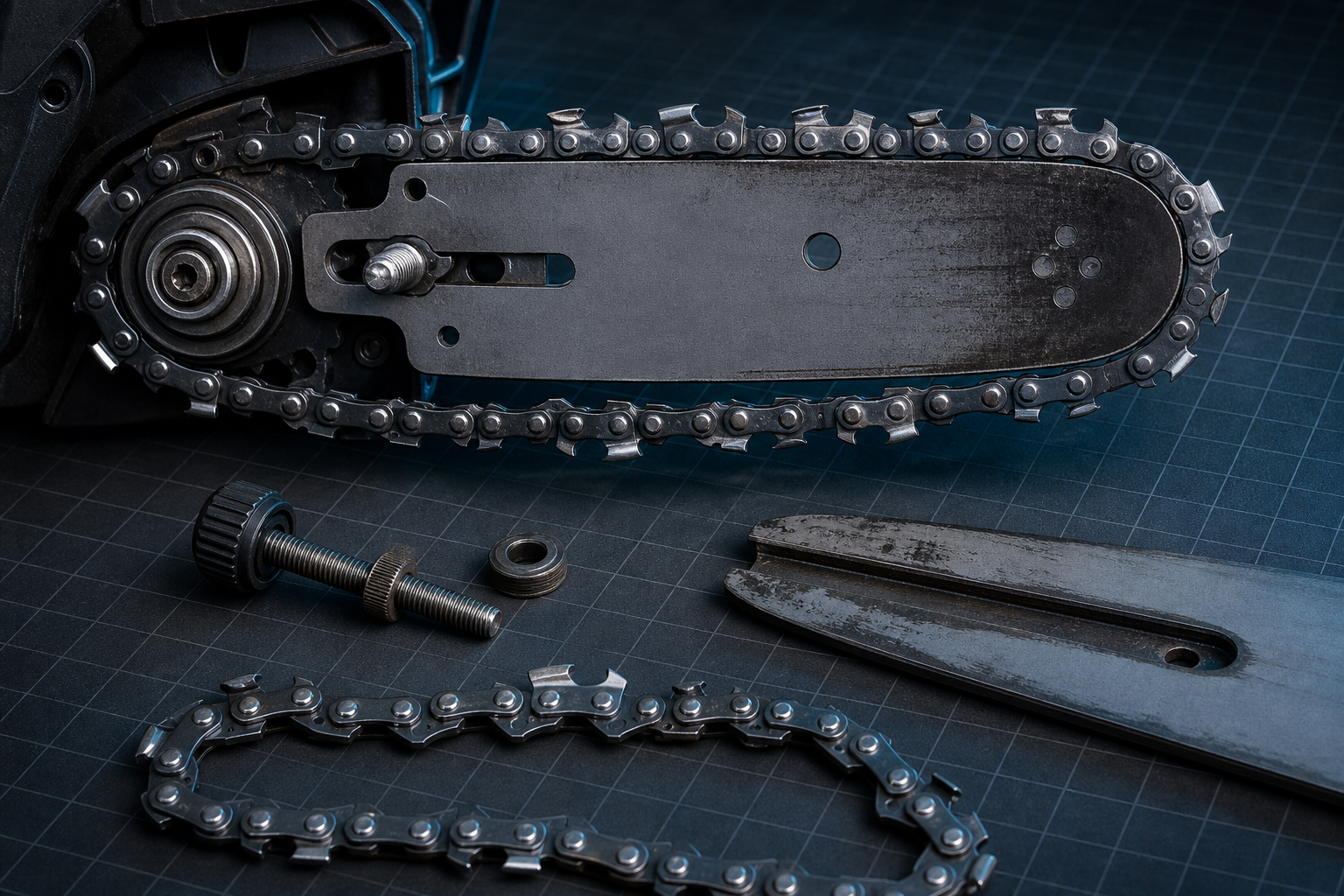
A chainsaw chain that keeps coming off is more than frustrating—it’s a sign that something in the cutting system is worn, misadjusted, or installed incorrectly. This question comes up often in owner forums, especially from homeowners who notice the chain derailing mid-cut, losing tension after only a few minutes, or jumping off when the nose of the bar gets pinched. In most cases, the problem is not the chain alone. The guide bar, drive sprocket, tensioning parts, bar studs, and even cutting technique all affect chain retention. The good news is that the cause is usually easy to track down if you inspect the saw in the right order.
Start With the Most Common Cause: Incorrect Chain Tension
If a chain is too loose, it can ride up out of the bar groove and derail, especially during limbing, boring, or any cut where the bar tip gets bumped or twisted. If it is too tight, it overheats, stretches quickly, and can damage the bar and sprocket—leading to repeated loosening.
Here’s how to check tension correctly:
- Let the saw cool first if it has been running. A hot chain expands and gives a false reading.
- Loosen the bar nuts slightly so the bar can move during adjustment.
- Lift the bar nose upward while turning the tension screw. This matters more than many owners realize. If you tension the chain with the bar sagging, it often ends up loose once the nuts are tightened.
- Adjust until the drive links stay engaged in the bar groove, but the chain still pulls around by hand with a gloved hand.
- Tighten the bar nuts while still holding the bar nose up.
- Recheck the chain after tightening.
A properly tensioned chain should snap back into place when pulled slightly away from the underside of the bar. You should not see the drive links hanging completely free below the bar.
If your chain tension loosens fast every time you use the saw, that usually points to one of three issues:
- A new chain stretching during break-in
- Worn bar adjuster parts
- Bar nuts not holding the bar securely
A brand-new chain often needs several readjustments in its first tank of fuel. That is normal. But if an older chain suddenly won’t stay tensioned, inspect the hardware closely.
Inspect the Guide Bar for Rail Wear, Groove Damage, and Nose Problems
A worn guide bar is one of the biggest reasons chains derail mid-cut. Even a good chain cannot stay seated if the rails no longer support the drive links properly.
Remove the bar and chain and inspect these areas:
Bar rails
Look at the top edges of the rails. If they are badly flared, uneven, or mushroomed outward, the chain can climb out of the groove. Rail wear is common on bars that have run with poor lubrication or loose chain tension.
Warning signs include:
- One rail lower than the other
- Sharp burrs along the rail edges
- A groove widened beyond the drive link thickness
- Blue discoloration from overheating
If the rails have minor burrs, you can dress them lightly with a flat file or bar rail dresser. If the groove is badly widened or the rails are uneven, replacement is the better fix.
Bar groove
Clean the groove thoroughly with a groove tool or thin scraper. Packed sawdust and oil sludge can keep the drive links from seating fully, which increases the chance of derailment.
Check that the groove depth still supports the chain’s drive links. If the groove is too shallow from wear, the chain will not track properly.
Bar nose sprocket
On sprocket-nose bars, spin the nose by hand. It should rotate smoothly without binding or rough spots. A seized or badly worn nose sprocket can jerk the chain off line.
Also inspect for side-to-side play. Excessive wobble at the nose can let the chain wander and climb out of the rails.
If the bar body is worn and the nose is questionable, replacing the entire guide bar is usually more practical than trying to salvage it.
Check the Drive Sprocket and Clutch Area
If the chain keeps coming off and the bar looks decent, move back to the drive end. A worn sprocket will not guide the drive links consistently, and that causes chain chatter, poor tracking, and derailment.
Remove the clutch cover and inspect the sprocket for:
- Deep grooves where the drive links ride
- Hooked or sharp tooth edges
- Uneven wear
- Excessive wobble
Rim sprockets and spur sprockets both wear over time. A badly worn sprocket no longer matches the chain pitch correctly, even if the chain technically fits the saw. That mismatch can let the chain climb or slap during operation.
As a general rule, many techs replace the sprocket after about two chains, or sooner if visible wear is present. If you install a new chain on a badly worn sprocket, you may end up with poor tension retention and accelerated chain wear right away.
While you are there, clean the clutch cover, chain brake area, and bar-mounting surface. Packed debris around the bar pad can prevent the bar from seating squarely, which throws off chain alignment.
Also inspect:
- Bar studs: loose studs can let the bar shift under load
- Bar nut threads: stripped hardware won’t clamp the bar securely
- Chain tensioner pin: if bent, worn, or not engaging the bar hole properly, the bar can creep backward and dump chain tension fast
This is a very common root cause when owners say, “I tighten it correctly, but the chain still comes loose in one cut.”
Make Sure the Chain, Bar, and Sprocket Actually Match
A surprising number of chain derailment complaints trace back to mismatched parts. Chainsaw cutting systems must match in three key specifications:
- Pitch
- Gauge
- Drive link count
If even one of these is wrong, the chain may seem to fit—but it will not run correctly.
Pitch
The chain pitch must match both the drive sprocket and the guide bar nose sprocket. Common sizes include .325”, 3/8”, low-profile 3/8”, and .404”.
Gauge
The chain gauge must match the bar groove width. Common gauges include .043”, .050”, .058”, and .063”. A chain that is too narrow can wobble in the groove and derail. A chain that is too thick may not seat properly at all.
Drive link count
The chain length must match the bar and saw setup. A chain with the wrong drive link count may install, but the tension range will be wrong and chain tracking can suffer.
If you recently replaced only one component—say the chain or bar—and the problem started immediately after, verify all three specs before chasing anything else. This comes up often in owner forums because many saws can physically accept more than one bar length or chain setup, but only if all parts are matched correctly.
A bar-and-chain combo can be a smart fix when wear is spread across multiple parts. If the old bar is worn and the chain is questionable, replacing both together removes a lot of variables.
Review Lubrication and Cutting Technique
Even with good parts, poor lubrication and operator technique can throw a chain.
Chain oiling
If the chain is not getting enough bar oil, heat builds rapidly. That causes chain stretch, rail wear, and nose wear.
Check for oil flow by running the saw at moderate speed with the bar pointed toward a clean surface like cardboard or a stump. You should see a light line or spray of oil.
Also inspect:
- Oil outlet port on the saw
- Bar oil holes
- Bar groove cleanliness
- Correct viscosity oil for the season
A dry bar will quickly develop the rail wear that leads to recurring derailment.
Cutting technique
Chains often come off during twisting or pinching cuts. Common situations include:
- Using the bar as a lever
- Forcing a dull chain through wood
- Cutting with the bar tip in brush or hidden limbs
- Letting the kerf close and pinch the bar
- Cutting from awkward angles where the saw is twisted sideways
A sharp chain cuts straight with less force. A dull chain encourages pushing and twisting, which puts side load on the bar and chain.
If the chain derails repeatedly in the same kind of cut, the issue may be partly technique and partly wear. A worn bar plus side pressure is a recipe for chain derailment.
Watch: Video Walkthrough
FAQ
Why does my chainsaw chain keep loosening after I tighten it?
The most common reasons are normal stretch on a new chain, improper tensioning with the bar nose unsupported, a worn chain tensioner, loose bar nuts, or a bar shifting on the studs. Also inspect the drive sprocket and guide bar for wear, since both can accelerate chain slack.
Can a worn sprocket really make the chain come off?
Yes. A worn drive sprocket can misguide the chain at the clutch end, causing chatter, poor engagement, and uneven tension. If the sprocket has deep grooves or hooked wear marks, replace it before installing another new chain.
Should I replace just the chain, or the bar too?
If the chain derails and the bar rails are flared, uneven, or the groove is worn wide, replacing only the chain usually won’t solve it. In many cases, replacing the chain and guide bar together—or using a matched bar-and-chain combo—is the most reliable fix. If sprocket wear is visible too, replace that at the same time for best results.
Find the right part on Amazon
Check price, stock and fitment — ships direct from Amazon.
Parts


